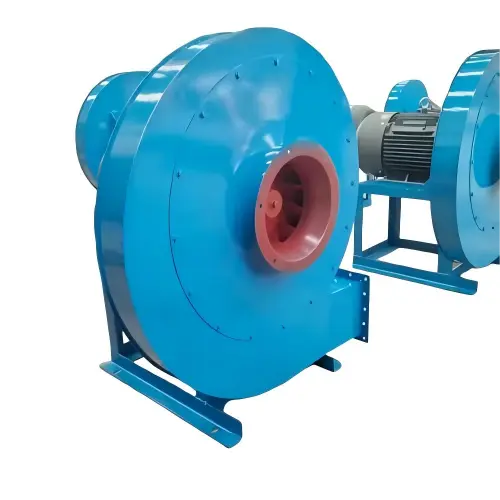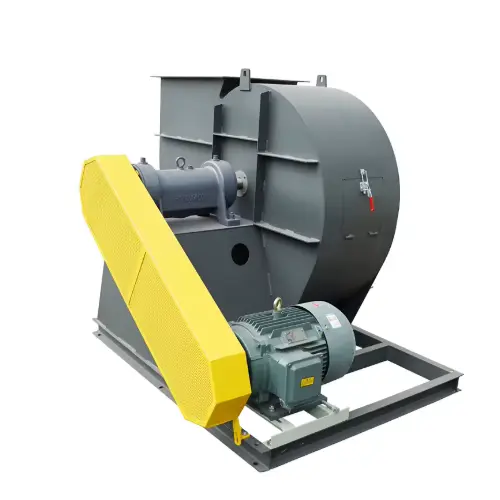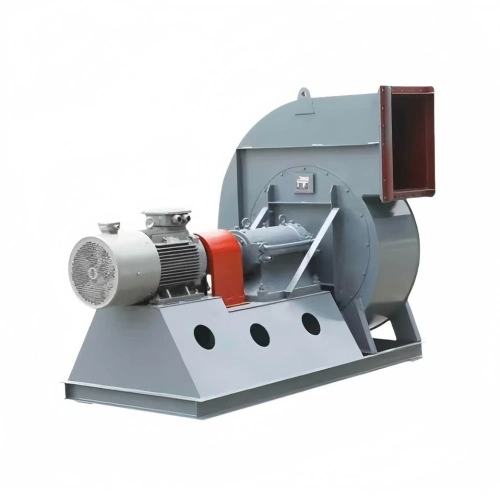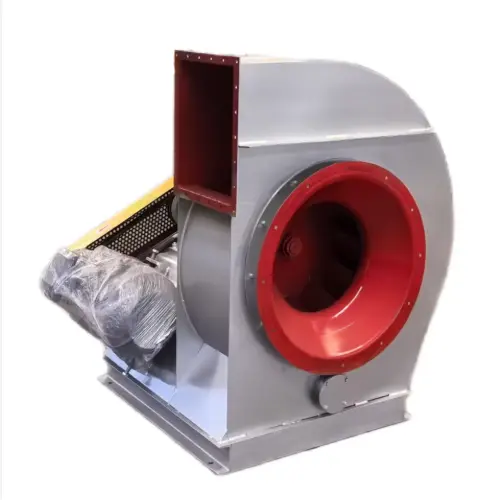
Carbon Steel Centrifugal Fan,High Temperature Centrifugal Fan,High Pressure Centrifugal Fan,Industrial Centrifugal Fan,Backward Curved Centrifugal Fan
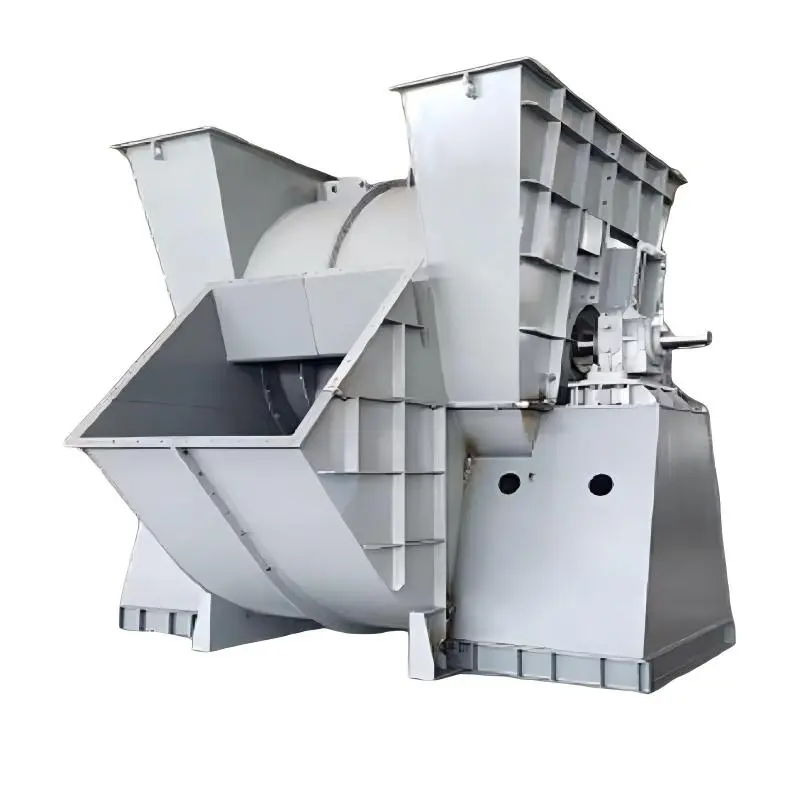
In the demanding world of industrial ventilation and material handling, consistent, reliable, and efficient airflow is not a luxury—it's a necessity. The Type F Centrifugal Fan, engineered by Hebei Ketong Environmental Protection Equipment Co., Ltd., stands as a robust solution for a multitude of challenging environments. This product is meticulously designed to move large volumes of air or gas against significant pressure, making it indispensable for ventilation, dust removal, drying, cooling, and forced draft applications in factories, warehouses, power plants, and agricultural settings.
Imagine a fan that doesn't just move air but does so with unwavering consistency, even when faced with particulate-laden streams or demanding system pressures. That is the promise of the Type F design. Its forward-curved blades are crafted to provide high airflow volume at relatively low speeds, offering a balance of performance and efficiency that direct-drive or ordinary fans cannot match.
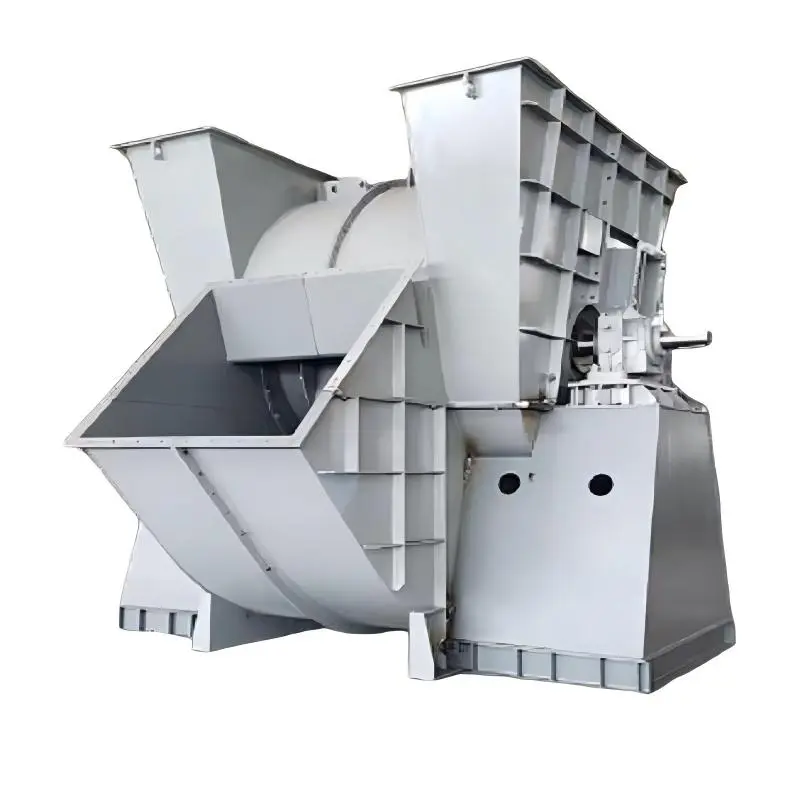 Type F Centrifugal Fan overview from Hebei Ketong" style="max-width:100%; height:auto; display:block; margin:20px auto;">
The superiority of Hebei Ketong's Type F Centrifugal Fan stems from a holistic approach to design, manufacturing, and quality assurance. It's not merely a collection of parts, but a fully integrated system built for longevity and peak performance.
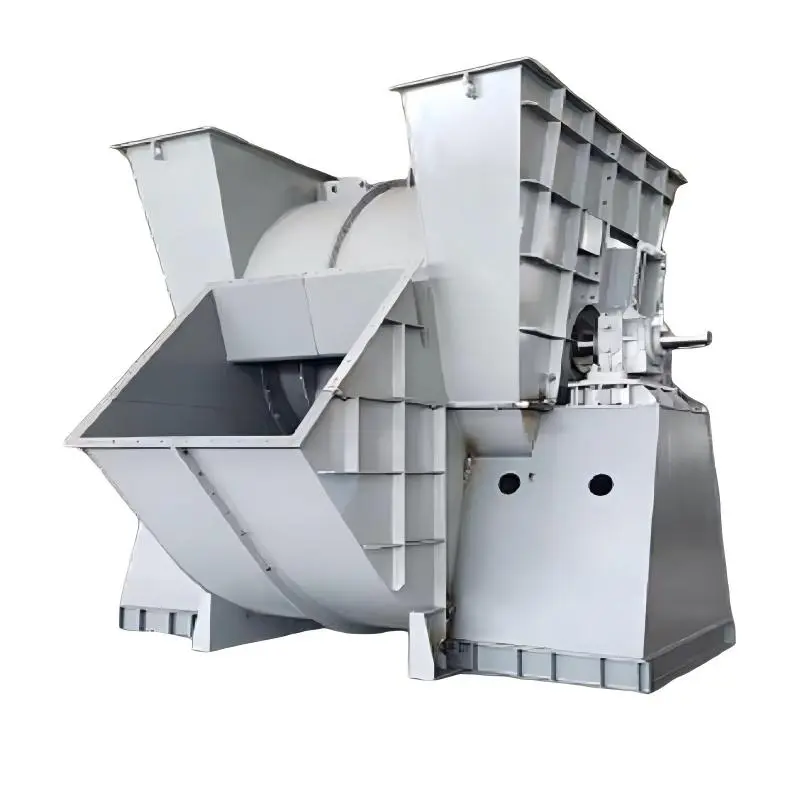
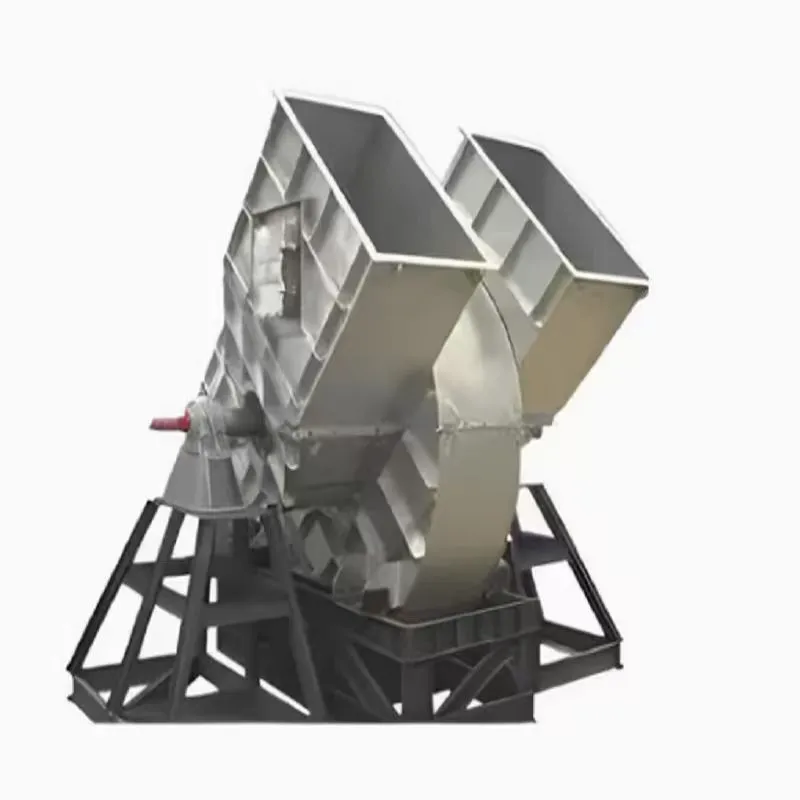
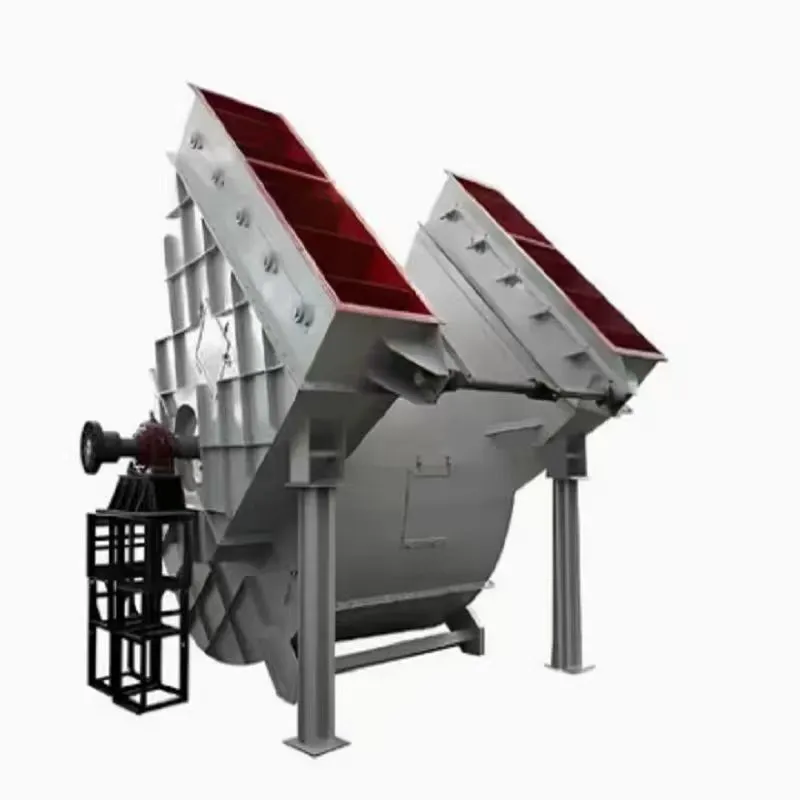
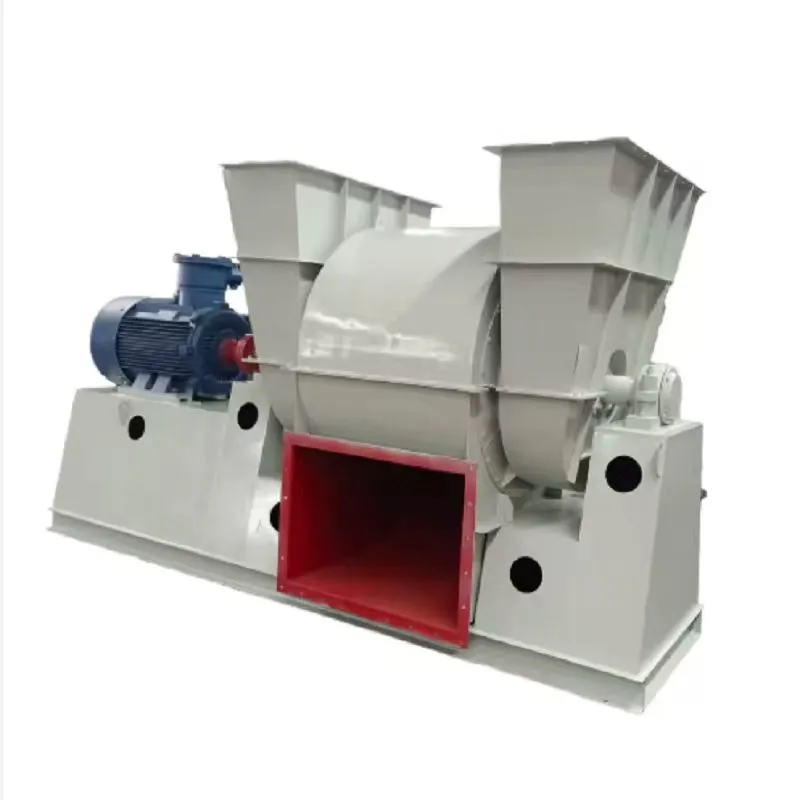
Selecting the right fan requires matching technical specifications to operational demands. Vague promises aren't enough; you need hard data. Below, we outline common operational challenges and how the configurable parameters of Hebei Ketong's Type F Centrifugal Fan provide the precise solution.
Solution: A Type F fan sized to provide the necessary Air Volume (CFM) to exchange the entire volume of your space efficiently, operating against the specific System Static Pressure (SP) created by ducts, filters, and louvers.
Solution: Leveraging the fan's performance curve to select a model that operates at its Best Efficiency Point (BEP) for your required pressure and flow, optimized further by the adjustable belt-drive system.
Solution: Specifying the appropriate material construction (e.g., powder-coated steel, SS304) and seal types during the ordering process to ensure durability.
Representative Performance Parameters (Model: TK-F-500):
| Impeller Diameter (mm) | Air Volume (CFM) | Static Pressure (in. w.g.) | Motor Power (HP) | Max. Speed (RPM) | Connection Size (inch) |
|---|---|---|---|---|---|
| 500 | 3,000 - 8,500 | 1.0 - 4.0 | 3 - 7.5 | 1500 | 12 |
| 630 | 6,000 - 16,000 | 1.5 - 5.5 | 7.5 - 20 | 1200 | 16 |
| 800 | 12,000 - 30,000 | 2.0 - 8.0 | 15 - 40 | 1000 | 20 |
Note: Parameters vary by specific model and configuration. Contact Hebei Ketong for detailed engineering data sheets.
This fan is the workhorse for professionals and industries where controlled airflow is critical to process, safety, and comfort.
The scenarios are diverse, but the need is unified: reliable, efficient, and durable air movement.
Installing a high-performance Type F Centrifugal Fan from Hebei Ketong is an investment that yields tangible returns beyond mere specification sheets. It's about the peace of mind that comes from knowing your ventilation system won't fail during a critical production run. It's the confidence of providing a safe, compliant work environment free of hazardous fumes or excessive heat. It's the satisfaction of seeing reduced downtime because your equipment runs cooler and cleaner. It's the relief of lower monthly energy bills thanks to optimized efficiency.
You solve the immediate problem of moving air, but you gain a reliable partner in productivity, safety, and cost management. The constant worry about inadequate ventilation or unexpected fan failure fades away, replaced by the steady, dependable hum of a machine doing its job flawlessly.
While centrifugal fans are common, the Hebei Ketong Type F variant distinguishes itself through thoughtful integration and unwavering quality focus.
Q: What is the main difference between a Type F (forward-curved) and a Type B (backward-curved) centrifugal fan?
A: The key difference lies in the blade design and performance characteristics. Type F fans have many short blades curved in the direction of rotation. They are excellent for moving high volumes of air at relatively low to medium static pressures and are typically more compact and cost-effective for these duties. Type B fans have fewer, longer blades curved against rotation. They are more efficient at higher static pressures and are often preferred for clean air applications in large HVAC systems or for handling high-temperature gases. The Type F is generally the go-to choice for industrial ventilation and dust collection.
Q: Can your Type F fans handle hot air or gases?
A: Yes, but within specified limits. Standard models with belt drives and standard bearings can typically handle temperatures up to 250°F (120°C) continuously. For higher temperatures, we can configure fans with high-temperature belts, special lubricants, heat shields, and even different bearing arrangements. It is crucial to inform us of the maximum operating temperature during inquiry so we can propose the correct construction.
Q: How noisy are these fans in operation?
A: Noise level depends on the fan size, speed, and operating point. Our Type F fans are designed with aerodynamically efficient blades and precision balancing to minimize turbulence and vibration, which are primary noise sources. While they are not silent (no industrial fan is), they operate at sound pressure levels competitive with industry standards for their performance class. For critical noise-sensitive areas, we can offer optional acoustic enclosures or inlet silencers.
Q: What maintenance is required?
A: Maintenance is straightforward but essential for long life. The primary tasks include periodic checking and tensioning of drive belts (for belt-drive models), lubricating bearings according to the manufacturer's schedule (typically every 8,000-12,000 hours of operation), and regularly inspecting/cleaning the impeller and housing interior to prevent heavy buildup of material, which can imbalance the fan. Our manuals provide detailed maintenance schedules and procedures.
Q: Do you provide installation support or guidance?
A: Absolutely. We provide comprehensive installation manuals with each unit, covering foundation requirements, alignment procedures, electrical connections, and safety checks. For complex installations or large projects, our engineering team is available for technical consultation. While we typically do not provide on-site installation crews globally, we can recommend best practices and connect you with qualified local mechanical contractors if needed.
Q: How do I select the right size and model for my application?
A: Proper selection requires knowing your system's required airflow (in CFM or m³/h), the static pressure it must overcome (in inches of water gauge or Pa), the temperature and nature of the air (clean, dusty, corrosive), and any space constraints. We strongly recommend consulting with our technical sales team. Provide them with your system details or layout, and they will perform a selection analysis, recommend the optimal model, and provide a performance curve showing the expected operating point.
Q: What is your lead time and warranty policy?
A: Lead times vary based on model complexity and order volume. Standard configurations often have shorter lead times, while custom-built units require more. Please contact us for a current estimate. Our standard warranty covers defects in materials and workmanship for a period of 18 months from the date of shipment or 12 months from commissioning, whichever comes first. Specific warranty terms are provided with the commercial proforma invoice.