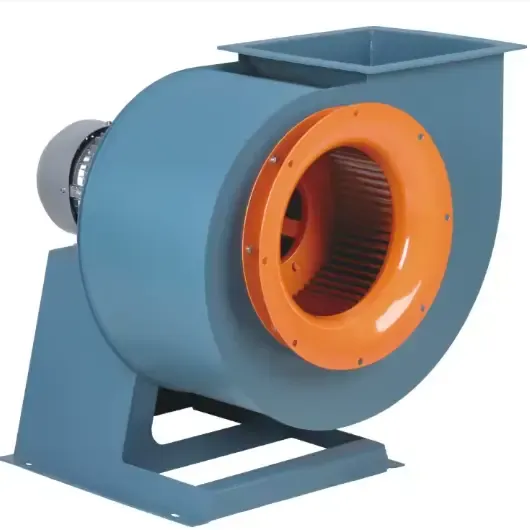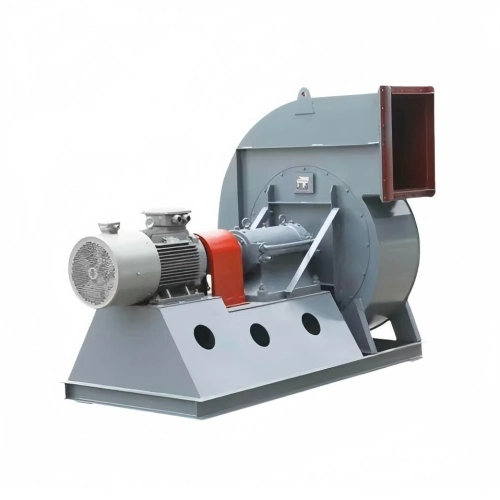
Carbon Steel Centrifugal Fan,High Temperature Centrifugal Fan,High Pressure Centrifugal Fan,Industrial Centrifugal Fan,Backward Curved Centrifugal Fan
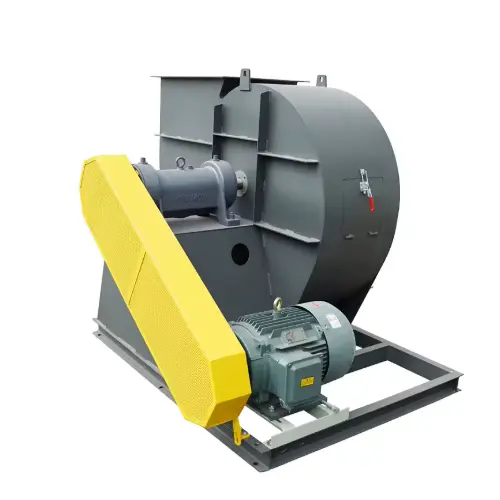
In the demanding world of industrial processing, where extreme heat is a constant byproduct, effective air movement and ventilation are not just operational needs—they are critical to safety, efficiency, and product quality. The Type C High Temperature Centrifugal Fan, engineered and manufactured by Hebei Ketong Environmental Protection Equipment Co., Ltd., stands as a formidable solution designed expressly for these punishing environments. This is not just a fan; it is a robust, intelligent air-moving system engineered to excel where standard equipment falters.
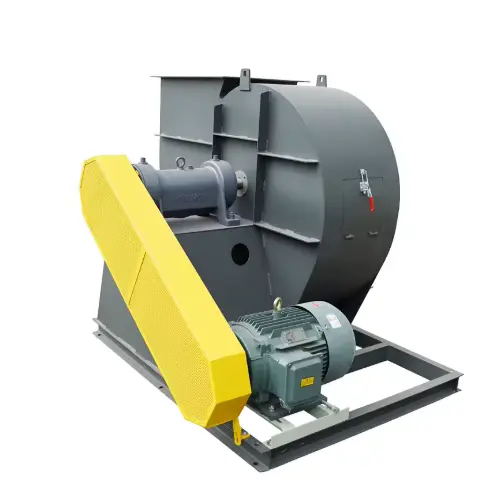 Type C High Temperature Centrifugal Fan in an industrial setting, showcasing its robust construction" style="max-width:100%; height:auto; display:block; margin:20px auto;">
Imagine the intense, relentless heat inside a metal smelting furnace, the scorching exhaust from a large-scale drying kiln, or the high-temperature gases in a chemical reactor's exhaust stream. Ordinary ventilation systems quickly degrade under such thermal stress, leading to failures that cause costly downtime and potential hazards. The primary function of the Type C High Temperature Centrifugal Fan is to reliably move high-temperature air or gas streams, typically ranging from 200°C to 450°C and even higher in custom configurations. It acts as the vital circulatory system for heat treatment furnaces, boiler draft induction, cement plant preheaters, and various ovens and dryers, ensuring hot air is efficiently extracted, recirculated, or exhausted to maintain optimal process conditions.
What sets the Hebei Ketong Type C fan apart is a holistic approach that prioritizes longevity and performance under duress. Its advantages are woven into every component and design decision.
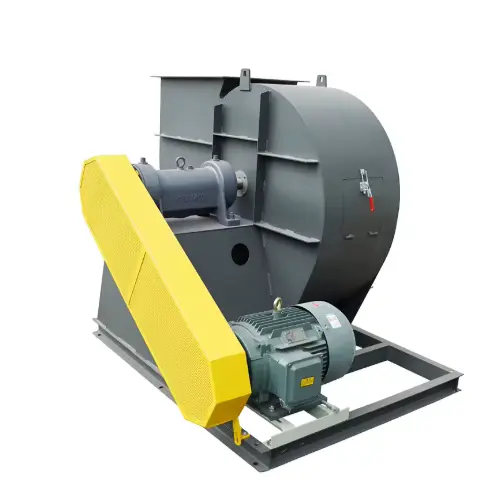
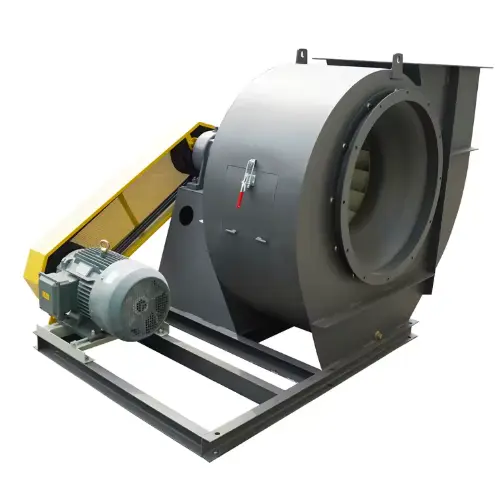
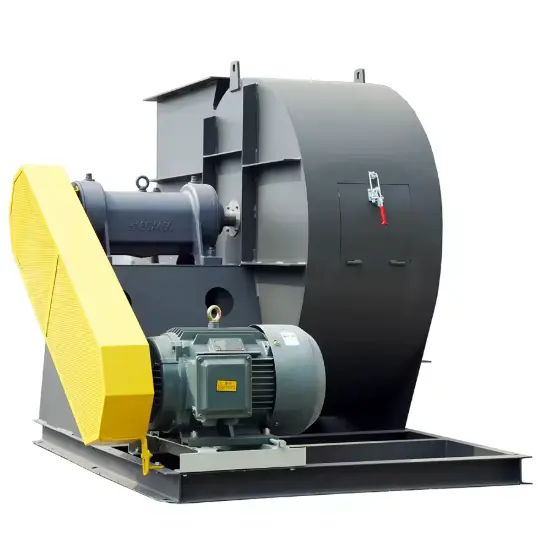
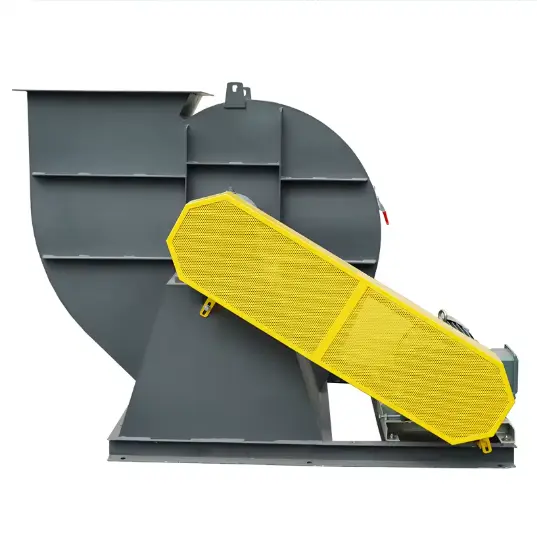
Different industrial challenges require tailored solutions. Below, we outline common pain points and how the configurable parameters of the Type C High Temperature Centrifugal Fan provide the answer.
Scenario 1: The Inefficient Drying Process. A ceramic tile manufacturer finds their drying oven cycles are too long, creating a bottleneck. Heat is not uniformly circulated, leading to inconsistent product quality and high energy waste.
Solution: Implementing a correctly sized Type C fan to forcefully recirculate hot air within the oven ensures even temperature distribution, reduces drying time by up to 25%, and lowers fuel consumption.
Scenario 2: Costly Downtime from Bearing Failure. A metallurgical plant's exhaust fan fails every 8-12 months due to bearing overheating in a 380°C gas stream. Each failure results in 48 hours of lost production and expensive emergency repairs.
Solution: The Type C fan with its mandatory cooling jacket for the bearings. This system maintains bearing temperatures below 70°C, extending service life to 3-5 years and eliminating unplanned stoppages.
| Model Series | Max. Airflow (m³/h) | Max. Static Pressure (Pa) | Temperature Resistance Range | Standard Construction Material |
|---|---|---|---|---|
| KT-C-300 | 5,000 | 1800 | Up to 250°C | Carbon Steel with Heat-Resistant Paint |
| KT-C-450 | 15,000 | 3500 | Up to 350°C | Heat-Resistant Alloy Steel (15CrMo) |
| KT-C-600 | 40,000 | 5000 | Up to 450°C | Stainless Steel (304/310S) |
This fan is the workhorse of choice for engineers, plant managers, and procurement specialists in heavy industries where thermal management is non-negotiable. Its primary application scenarios are vast: evacuating hot fumes from electric arc furnaces in steel mills, providing induced draft for coal-fired or biomass boilers in power plants, handling hot air in rotary kilns for cement and lime production, and managing atmosphere circulation in heat treating and annealing furnaces. It is equally crucial in the chemical industry for reactor exhaust and in asphalt plants for drying drum ventilation. If your process generates significant heat and requires controlled, reliable air movement, this fan is engineered for you.
Choosing the Type C High Temperature Centrifugal Fan from Hebei Ketong transcends a simple equipment purchase; it is an investment in operational peace of mind. Users report a transformative shift from constant worry about the next failure to confident, predictable production scheduling. It solves the gnawing problem of reactive maintenance, replacing it with proactive, planned service intervals. The feeling is one of control—knowing that this critical link in your production chain is built to endure, directly safeguarding your output, your budget, and the safety of your workforce. It empowers you to focus on optimizing your core process, not on managing ventilation emergencies.
While many manufacturers offer "high-temperature" fans, the Hebei Ketong Type C series distinguishes itself through uncompromising specialization. Unlike generic fans retrofitted for heat, it is conceived from the ground up for thermal endurance. The difference is evident in details often overlooked: the use of high-temperature lubricants as standard, the extra clearance tolerances calculated for thermal expansion, and the option for ceramic fiber or other advanced gasket materials. Furthermore, Hebei Ketong Environmental Protection Equipment Co., Ltd. provides profound application engineering support. Their experts work with clients to analyze specific gas compositions, dust loadings, and temperature profiles to recommend the optimal material and design variant, ensuring a perfect fit for the application rather than an off-the-shelf compromise.
Q: What is the expected service life of the bearings in your Type C fan operating at 400°C?
A: With our standard water-cooled bearing housing system properly installed and maintained, the bearings are isolated from the extreme gas temperature. They typically operate below 70°C, which allows for a service life of 30,000 to 50,000 hours (approximately 3.5 to 5.7 years of continuous operation) before requiring preventive replacement. This is a dramatic improvement over uncooled systems where bearings may fail in under a year.
Q: Can the fan handle corrosive fumes along with high temperatures, such as in a chemical process?
A: Absolutely. Material selection is key. While our standard models use heat-resistant alloys, we offer construction in various grades of stainless steel (like 316L for chloride resistance) and even higher alloys (like Inconel) for severely corrosive and high-temperature environments. During the consultation phase, we review your gas composition to specify the most cost-effective and durable material.
Q: How is the fan performance affected by altitude or ambient air conditions?
A: Fan performance is based on standard air density. At higher altitudes or with significantly different intake air temperatures (ambient, not process), the air density changes, affecting the fan's pressure generation and power consumption. Our engineering team can de-rate the performance curves for your specific installation conditions to ensure the selected model delivers the required actual volumetric flow and pressure at your site.
Q: What kind of maintenance does this fan require?
A: Maintenance is straightforward but crucial. Regular checks include monitoring bearing temperature and vibration levels, ensuring the cooling water system (if equipped) is flowing properly, and inspecting for dust accumulation on the impeller. We provide detailed maintenance schedules. The robust design minimizes frequent intervention, but periodic lubrication (per the manual) and annual professional inspections are recommended to maximize lifespan.
Q: Do you offer variable frequency drive (VFD) compatibility?
A: Yes, our Type C High Temperature Centrifugal Fans are fully compatible with VFDs. Using a VFD is an excellent way to match fan output precisely to process demand, leading to significant energy savings, especially in applications with variable load conditions. We can provide guidance on motor selection and any necessary modifications for optimal VFD operation.
Q: What is your lead time and what information do you need for a quotation?
A: Lead times vary based on model complexity and customization but typically range from 4 to 8 weeks for standard models. For an accurate quote, please provide: 1) Required airflow (m³/h) and static pressure (Pa), 2) Temperature and composition of the gas being handled, 3) Installation altitude, 4) Preferred motor voltage and frequency (e.g., 380V/50Hz), and 5) Any special site conditions (explosive atmosphere, heavy dust, etc.). Our team will then specify the optimal model and configuration.