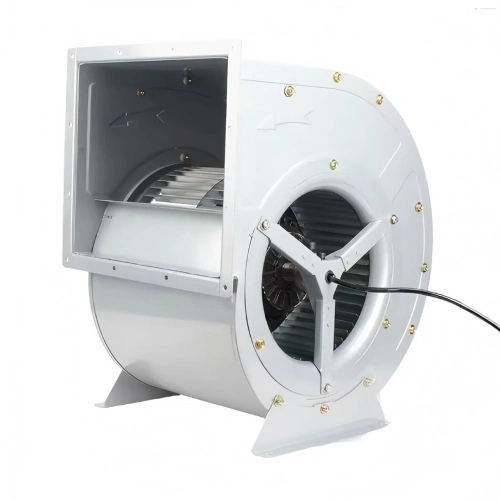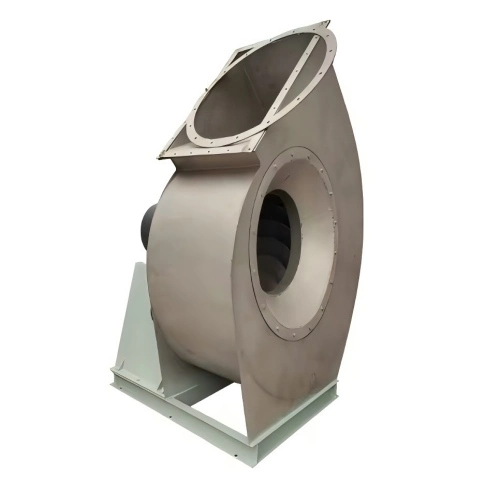
Carbon Steel Centrifugal Fan,High Temperature Centrifugal Fan,High Pressure Centrifugal Fan,Industrial Centrifugal Fan,Backward Curved Centrifugal Fan
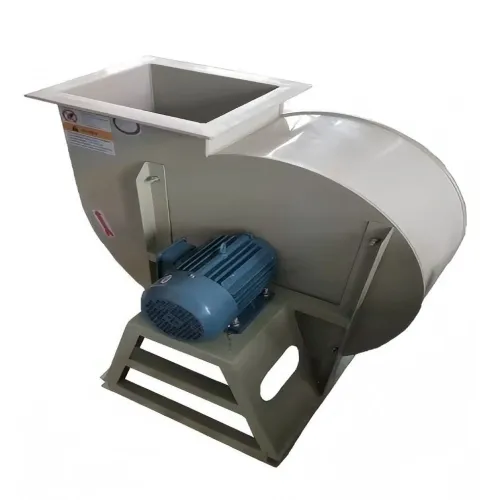
In the world of industrial ventilation and air movement, the core component that makes everything possible is often hidden from plain sight. At Hebei Ketong Environmental Protection Equipment Co., Ltd., we engineer the very heart of these systems: the high-performance Impeller Centrifugal Fan. More than just a part, it is the critical element responsible for generating powerful, stable, and efficient airflow in countless applications. This specialized fan assembly is designed to meet the rigorous demands of modern industry, from exhausting fumes and supplying fresh air to conveying materials and managing process cooling.
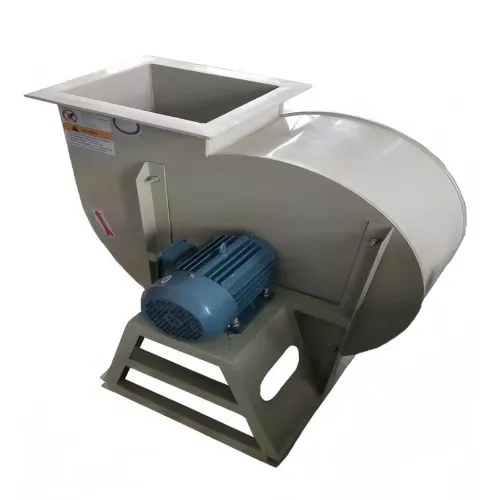
The superiority of our Impeller Centrifugal Fan begins with its foundational elements. Crafted from premium-grade, wear-resistant steel alloys or corrosion-resistant aluminum, each impeller is built to withstand harsh environments, high temperatures, and abrasive particulates. We employ advanced dynamic balancing technology, ensuring minimal vibration and exceptional operational smoothness. This translates directly into extended bearing life, reduced noise levels, and lower long-term maintenance costs. The aerodynamic blade profiles are not a product of chance but of computational fluid dynamics (CFD) simulation, optimized for maximum pressure development and volumetric efficiency. Every curve and angle is calculated to move air with authority while minimizing parasitic power loss.
Our commitment extends beyond the drawing board. Hebei Ketong implements stringent quality control at every stage—from material sourcing and laser cutting to final assembly and testing. Each impeller undergoes rigorous performance validation, guaranteeing it delivers the exact airflow and pressure characteristics specified. This meticulous attention to detail is our promise of reliability, ensuring your systems run continuously without disruptive downtime.
Industrial operations face unique airflow dilemmas. Whether it's overcoming high static pressure in ducted systems, handling hot or contaminated air streams, or achieving specific air-change rates in large spaces, a generic fan component falls short. Our engineering philosophy is rooted in providing targeted solutions.
The Problem: A manufacturing facility struggles with inadequate smoke and fume removal. Their existing system is noisy, consumes excessive energy, and fails to maintain a clean working environment, posing health risks and compliance issues.
The Hebei Ketong Solution: We recommend a backward-curved, non-overloading impeller design. This type excels in applications requiring stable performance against variable system resistance, like when filters begin to load. It offers high efficiency and a non-overloading power characteristic, meaning the motor won't be overloaded even if the system pressure changes. Paired with a robust housing from Hebei Ketong, it creates a complete, high-efficiency centrifugal fan solution.
The performance of such a system can be illustrated with our KT-IB Series industrial blower units, which feature our precision impellers:
| Model | Impeller Diameter (mm) | Max. Airflow (m³/h) | Max. Static Pressure (Pa) | Typical Motor Power (kW) | Primary Application |
|---|---|---|---|---|---|
| KT-IB-450 | 450 | 5,000 | 1,200 | 3.0 | Fume Extraction, Local Ventilation |
| KT-IB-630 | 630 | 12,000 | 1,800 | 7.5 | Dust Collection, Process Cooling |
| KT-IB-800 | 800 | 25,000 | 2,500 | 15.0 | Industrial Oven Exhaust, Large-Scale Ventilation |
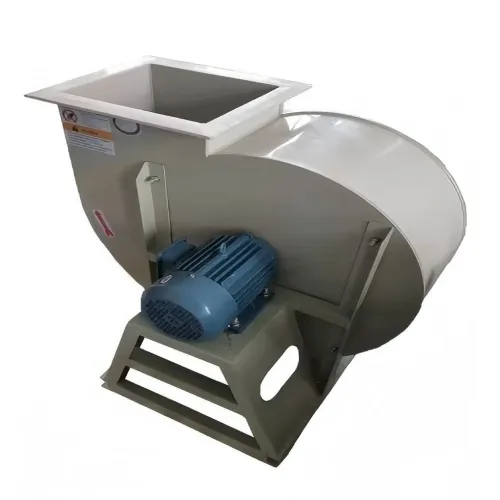
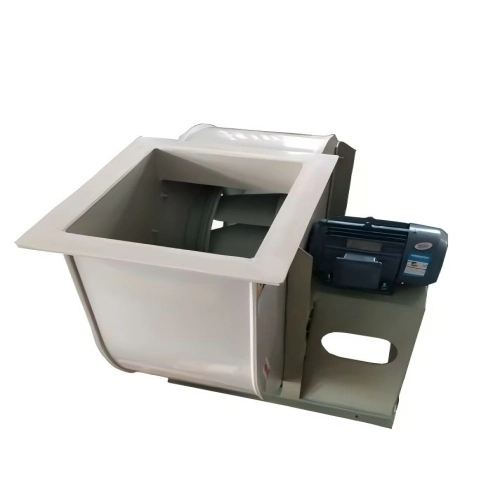

The versatility of our centrifugal fan impellers makes them indispensable across a broad spectrum of industries. Facility managers in chemical plants and pharmaceutical cleanrooms depend on them for safe, consistent air handling. HVAC contractors integrate them into commercial building systems for energy-efficient air supply and return. Owners of woodworking shops, grain silos, and metal fabrication units utilize them in dust collection systems to protect both machinery and worker health. Even in agriculture, they are key for grain drying and greenhouse ventilation. Essentially, any operation where controlled, powerful, and reliable air movement is critical to process, safety, or comfort will find a perfect partner in our engineered components.
Integrating a Hebei Ketong Impeller Centrifugal Fan into your equipment is not merely a parts replacement; it's an upgrade to operational peace of mind. The immediate sensation is one of quiet, unwavering power. The constant worry of unexpected fan failure diminishes, replaced by the confidence of predictable performance. Energy bills become more manageable due to higher system efficiency. Most importantly, it solves the core problem of inadequate or unreliable airflow, whether that means achieving a safer workspace, a more consistent manufacturing process, or a more comfortable indoor environment. It's the satisfaction of knowing the critical component at the core of your air system is engineered to the highest standards.
While many suppliers offer fan components, Hebei Ketong distinguishes itself through holistic engineering support and customization. We don't just sell an impeller; we analyze your system curve and operational requirements. Our ability to provide custom blade designs, special coatings for corrosion protection, and impellers tailored for specific speeds and pressures is unparalleled among standard suppliers. Furthermore, our integration with complete fan housing design ensures optimal performance synergy, a benefit rarely offered by component-only vendors. This combination of precision manufacturing, application expertise, and willingness to engineer bespoke solutions sets our Impeller Centrifugal Fan apart as a truly professional choice.
Q: What factors should I consider when selecting an impeller for my centrifugal fan?
A: Key factors include the required airflow (CFM or m³/h), the static pressure the fan must overcome, the temperature and composition of the air being moved (e.g., clean, dusty, corrosive, humid), the available space for the fan unit, and the desired operating efficiency. Providing these details to our engineers at Hebei Ketong allows us to recommend the optimal impeller type, size, and material.
Q: What is the difference between forward-curved and backward-curved impeller blades?
A: Forward-curved (multi-vane) blades are typically smaller in diameter, operate at lower speeds, and are good for moving large volumes of air against low to moderate static pressure, often used in HVAC. Backward-curved blades are more efficient, generate higher pressures, and have a non-overloading power characteristic, making them superior for industrial applications with variable system resistance. Hebei Ketong specializes in robust backward-curved and airfoil designs for demanding duties.
Q: How often does a centrifugal fan impeller need maintenance or balancing?
A: A properly installed and applied impeller from Hebei Ketong, operating within its design parameters, requires minimal routine maintenance. However, if the fan handles abrasive materials or experiences significant dust buildup, periodic cleaning is advised. Re-balancing is generally recommended only if the impeller is physically damaged, shows signs of severe wear, or if vibration levels increase noticeably. Our impellers are precision-balanced before shipment to ensure long, stable service life.
Q: Can you provide impellers that match the specifications of my existing fan housing from another manufacturer?
A: Yes, in many cases we can. We offer reverse-engineering and custom manufacturing services. By providing the old impeller or detailed dimensional drawings, our team can fabricate a direct replacement or even an upgraded version with improved materials or efficiency. We always advise a thorough assessment to ensure compatibility with the existing drive system and housing.
Q: What materials are available for corrosive or high-temperature applications?
A: Beyond standard steel and aluminum, Hebei Ketong can manufacture impellers from stainless steel (e.g., 304, 316 grades) for excellent corrosion resistance. For highly acidic or alkaline environments, special coatings or plastic composites like PP can be explored. For high temperatures, heat-resistant steel alloys are utilized. Discussing your specific medium and temperature with our engineers is crucial for material selection.